

The Invisible Standard: What Luxury Guests Never See
What luxury guests never see
A full schedule is not always a prepared team.
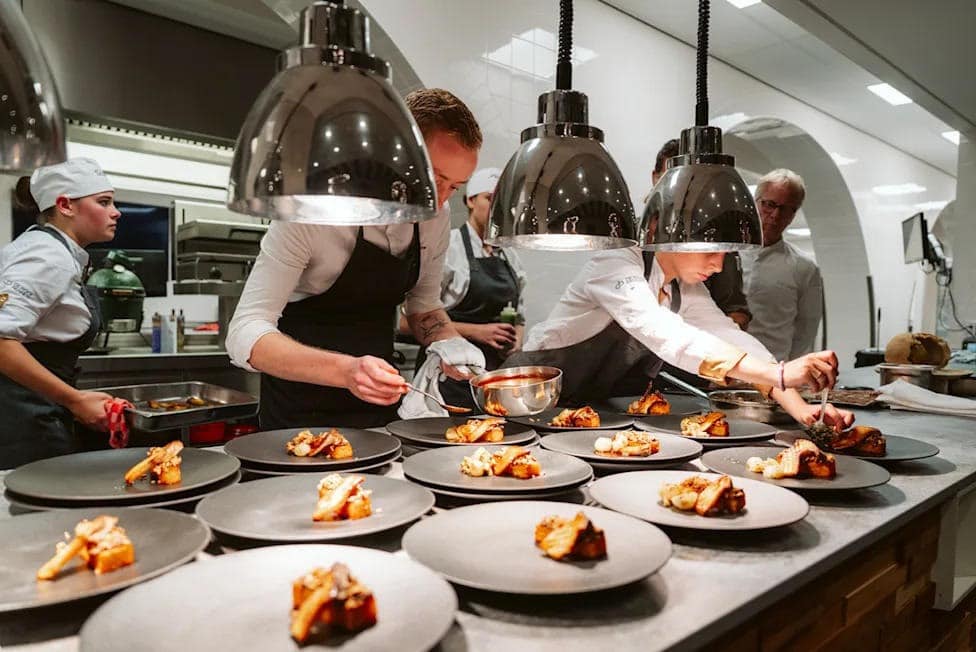
Guests feel timing, consistency and recovery when something goes wrong. They rarely see the work that produces it. That unseen standard lives in the handoffs between stations, in process guides that are actually used, and in the depth behind critical roles. When any of those pieces is thin, the operation can look fully staffed while the experience becomes fragile.
My business partner, Patton McGinley, draws on more than 30 years of operating experience when he describes the pressure: a new cook finishes orientation and still needs direction on the station; one trusted team member carries the knowledge everyone depends on; or an F&B leader spends the shift covering a gap instead of coaching the next person up. Positions may be filled. The operation can still be exposed.
Technology can remove friction. People still carry the judgment and hospitality guests remember. Preparation means giving them the direction, practice and support to hold standards when the staffing plan changes.
Cross-training creates options before you need them
As a hotel manager, Patton prepared everyone on the property to work a banquet. Maintenance staff were trained to expedite and wash dishes. Admin staff could step onto the floor as hosts while hosts shifted to bussing. Those adjustments depend on training already being in place—not on handing unfamiliar work to someone in the middle of a rush.
“Cross-training gives a property options. Without it, a short-handed team stays slammed and overworked, and that is what drives people out.” — C. Patton McGinley
Cross-training does not create another person when everyone is already committed. It gives leaders a clearer view of what a prepared team can cover and where an external option may be needed.
Before the next busy period, run four checks
1. Prepare for the actual operation.
Does each employee understand property standards, reporting lines and station responsibilities—not just the job description? Use clear process guides and practice the handoffs. New and supplemental employees need that same property-specific preparation.
2. Protect time for coaching.
When leaders are covering shortages, who is building judgment in the next layer? Use lineups and short scenario practice: short a busser, short a server, dishwasher falling behind—who covers what?
3. Build depth behind critical roles.
Which absence puts the most pressure on your area: the server who quarters the floor, the dishwasher who keeps pace, or the lead who carries standards when the manager steps away? Prepare a fill-in before the gap arrives.
4. Give the contingency plan an owner.
When internal coverage is not enough, who decides the next step, and what is the expected reaction time? Name the senior team member, fill-in lead or manager who can act. A clear owner keeps the decision from lagging until the gap compounds.
Know which gap you are solving
A coverage gap is a shortage of available people to do the work. A capability gap is missing knowledge, judgment or clear direction, even when the position is filled.
Redeployment or another experienced professional may help with coverage; training, process guides and coaching address capability. An experienced supplemental employee still needs the property’s standards and direction.
Property leaders own their standards and execution. SOS Culinary supports the talent and continuity behind them through seasonal and traveling culinary professionals, select F&B front-of-house support, temp-to-perm flexibility and direct-hire culinary and F&B leadership search.
Where would one absence put the most pressure on your operation?
Think about the role, station, department or wider operation. We can compare notes on where internal depth is enough and where an external option would help.
Erich McLane
Co-Founder & Managing Director
SOS Culinary